Right-size the structure
Use product dimensions, weight, selling channel and destination to compare board and insert options.
Responsible packaging
Compare paper, structure, protection and documentation early, while the box can still be changed without restarting the project.
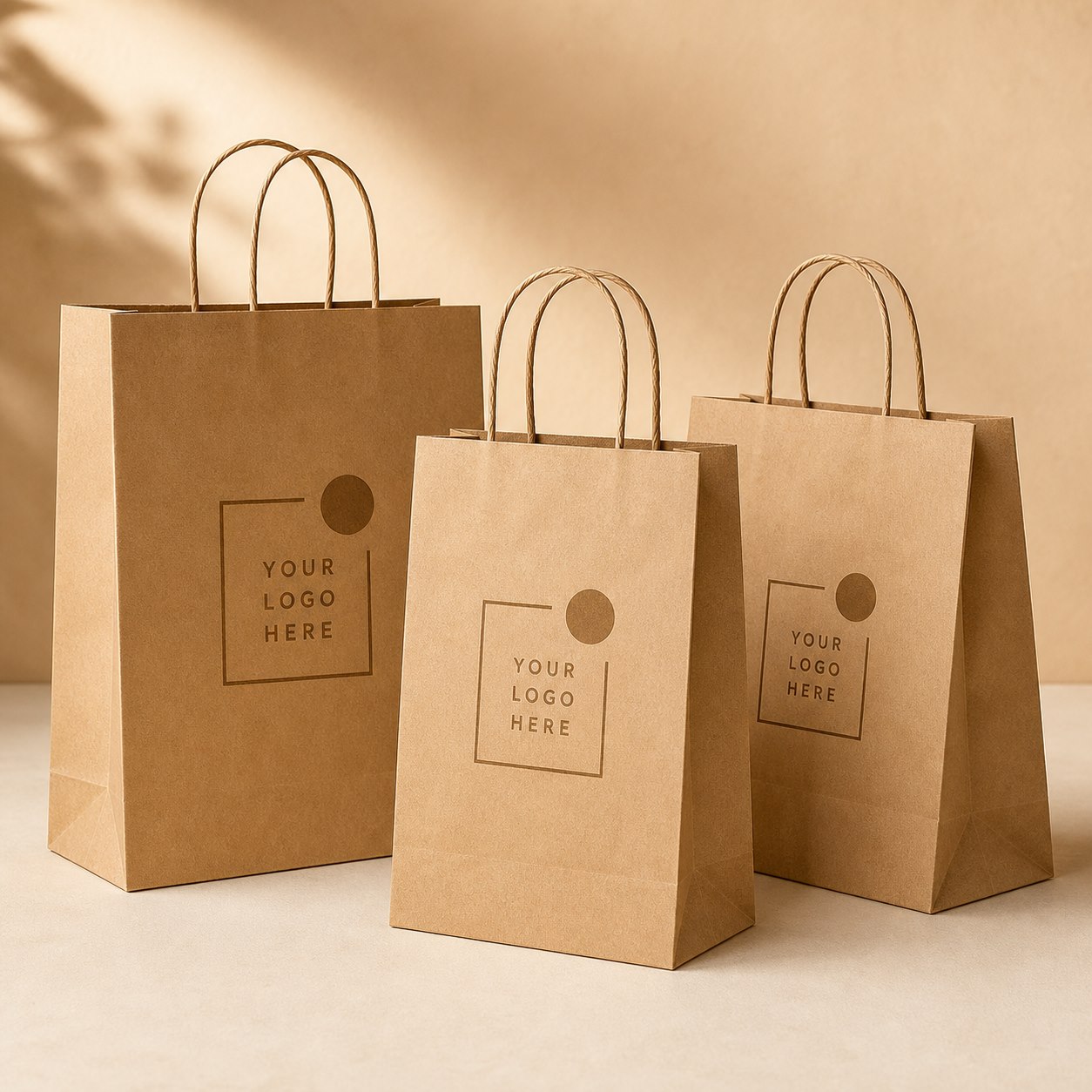
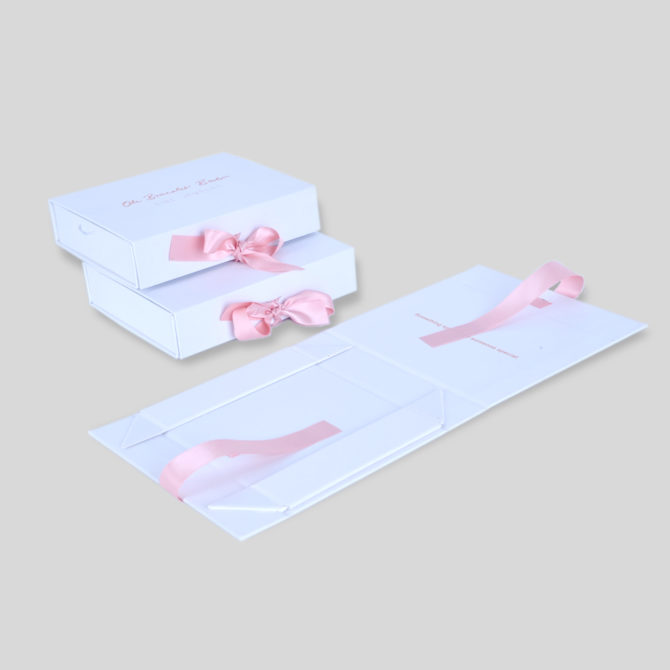
Discuss recycled content, FSC paper requests and paper grades before quoting.
Right-size the box and remove mixed materials that do not add protection.
A damaged product creates more waste than a well-planned protective structure.
Share your code of conduct, questionnaire and document list before sampling.
Project checklist
The useful time to discuss environmental and supplier requirements is before the dieline, material and finish are fixed.
Practical decisions
A natural-looking paper does not automatically make an oversized or poorly protected box a better choice.
Use product dimensions, weight, selling channel and destination to compare board and insert options.
Choose enough strength and retention for the real route instead of relying on appearance alone.
Review whether plastic windows, trays, coatings or decorative parts are truly needed.
Name the certificate, audit, report or policy your company needs before the sample is made.
Supplier care
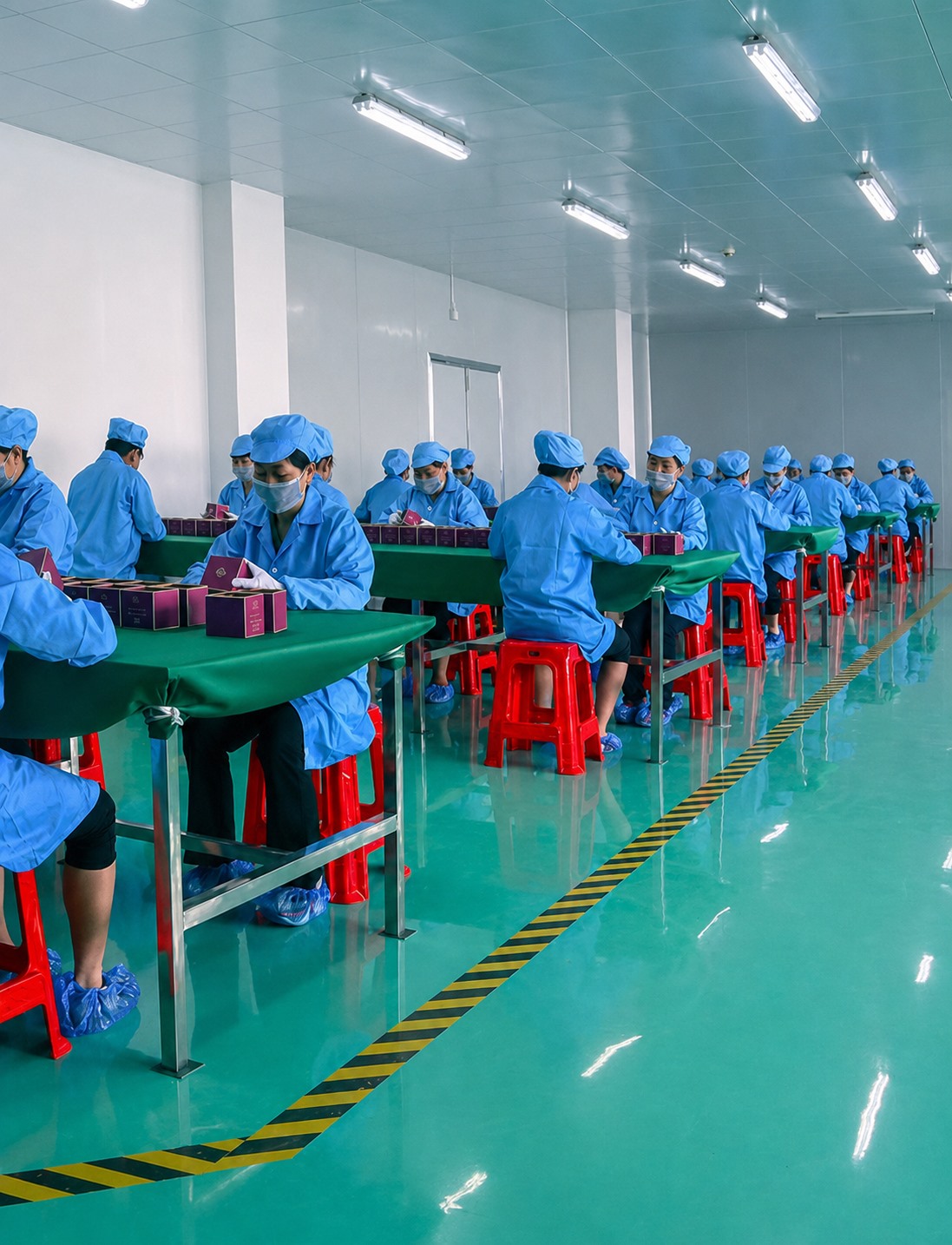
Larger companies may have expectations around safe working conditions, working hours, forced labor, child labor and production records. Share your code or questionnaire early so the requested information can be reviewed alongside the quote.
This page is not a certificate. If your project needs a specific audit, report or document, name it clearly before sampling.
Quote requirements
Clear details make it easier to compare realistic materials and confirm which documents can be provided.
| Requirement | Helpful detail to send |
|---|---|
| Recycled or FSC paper | Target paper requirement, certificate request and product weight. |
| Plastic reduction | Current packaging photo and whether a paper insert can replace a tray. |
| Supplier code | Your code of conduct, audit form or supplier questionnaire. |
| Food or cosmetic packaging | Whether the product touches the box directly and which market it ships to. |
Common questions
Recycled paper options can be discussed at the quote stage. The right choice depends on box structure, print requirements, product weight and the documents your team needs.
If FSC-certified paper is required, mention it before quoting so material availability and documentation can be checked before sampling.
Send your supplier code of conduct, packaging policy, audit questionnaire, restricted material list or reporting template early. It is easier to review these before the first sample is made.
Request a quote
Share the box or bag style, size, quantity and destination. Artwork is helpful, but not required for the first estimate. If your project has recycled paper, FSC paper, plastic-free packaging or supplier code requirements, send them before sampling.